Throw Everything at the Wall
- Blue-sky wild ideas
- “What if…” pitches
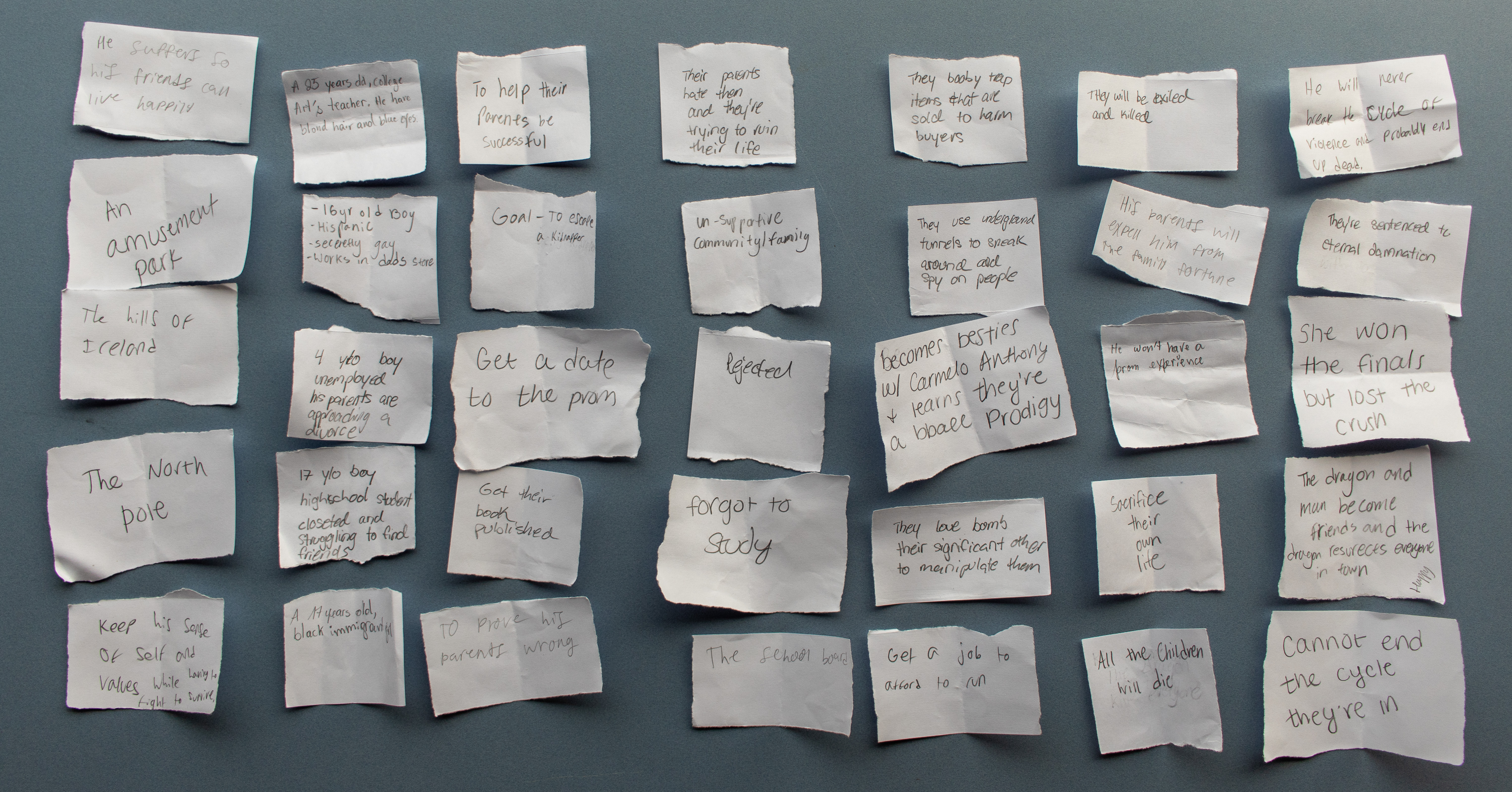
- No bad first thoughts
- Find what’s exciting
WINTER 2027 · Craft Lab
A Mock TV Writers’ Room
Six Tuesdays of pitching, breaking story, and building original TV ideas together — the way a real writers’ room actually works. You bring the ideas. The room makes them better.
Presented by

This Isn’t a Screenwriting Class
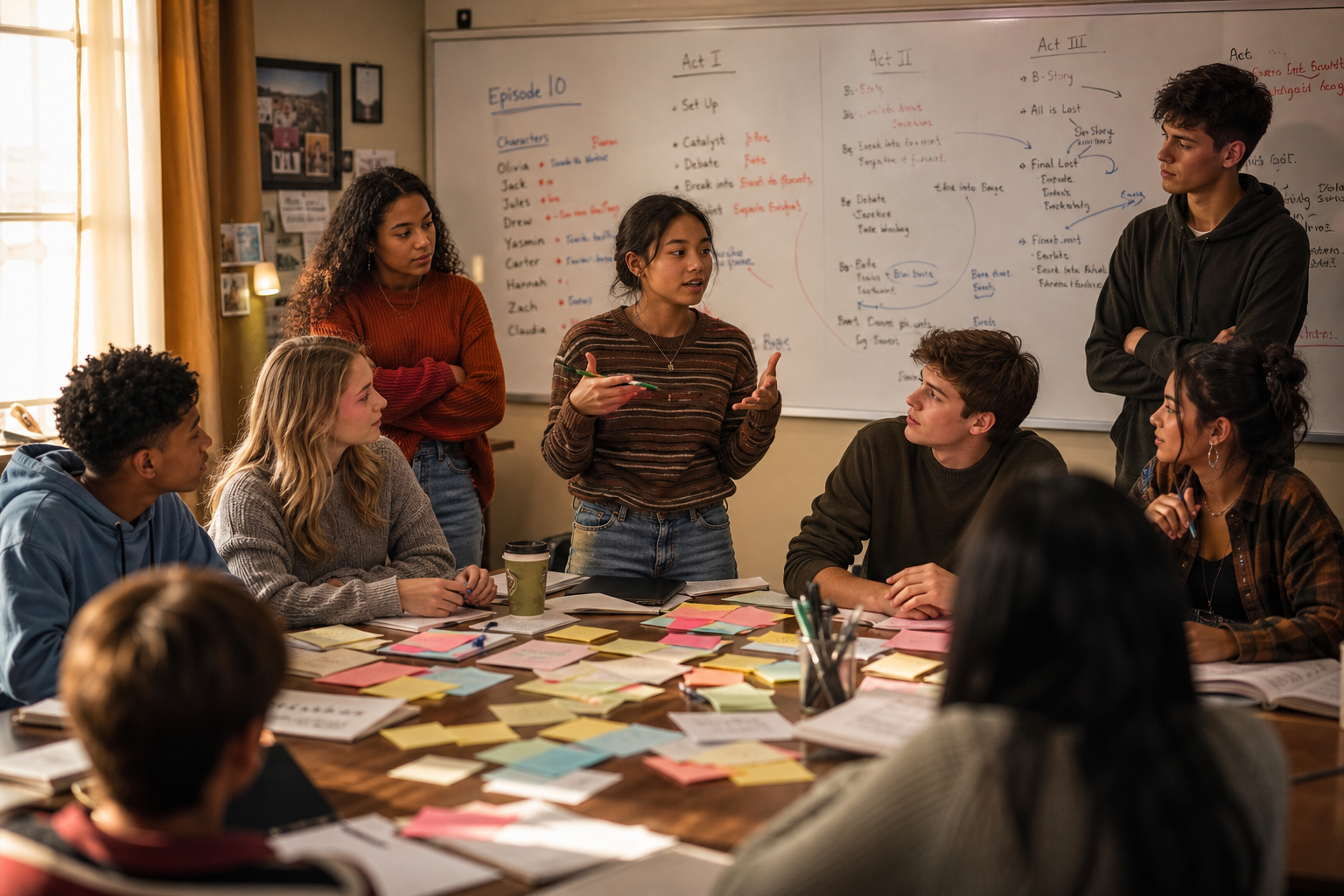
Forget sitting through slides or grinding out pages by yourself. A writers’ room is loud, alive, and collaborative. You pitch. You react. You build on each other. You solve story problems out loud, together — and you watch ideas get bigger than any one person could make them.
What Happens in a Writers’ Room?
That’s the magic of a room: a rough “what if” becomes a character, a character becomes a conflict, and a conflict becomes a show — because everyone built it together.
Six Weeks Inside the Room
Six Tuesdays with a broad, natural arc — not a rigid syllabus. The room moves the way real rooms move.
The path is real, but the room stays flexible — it follows the best ideas wherever they go.
You Don’t Need “The Big Idea”
There’s no admission ticket that says “bring a brilliant idea.” The room itself is the creative engine.
The Room Is the Skill
Great TV isn’t written alone — it’s built by people who know how to work together. That’s a skill, and it’s the one this lab is really teaching. Every session, you practice the things that make a writer someone others want in the room.
These are the skills real writers’ rooms run on — and they carry far beyond television, into any place ideas get made by more than one person.
A Little Chaos Is the Point
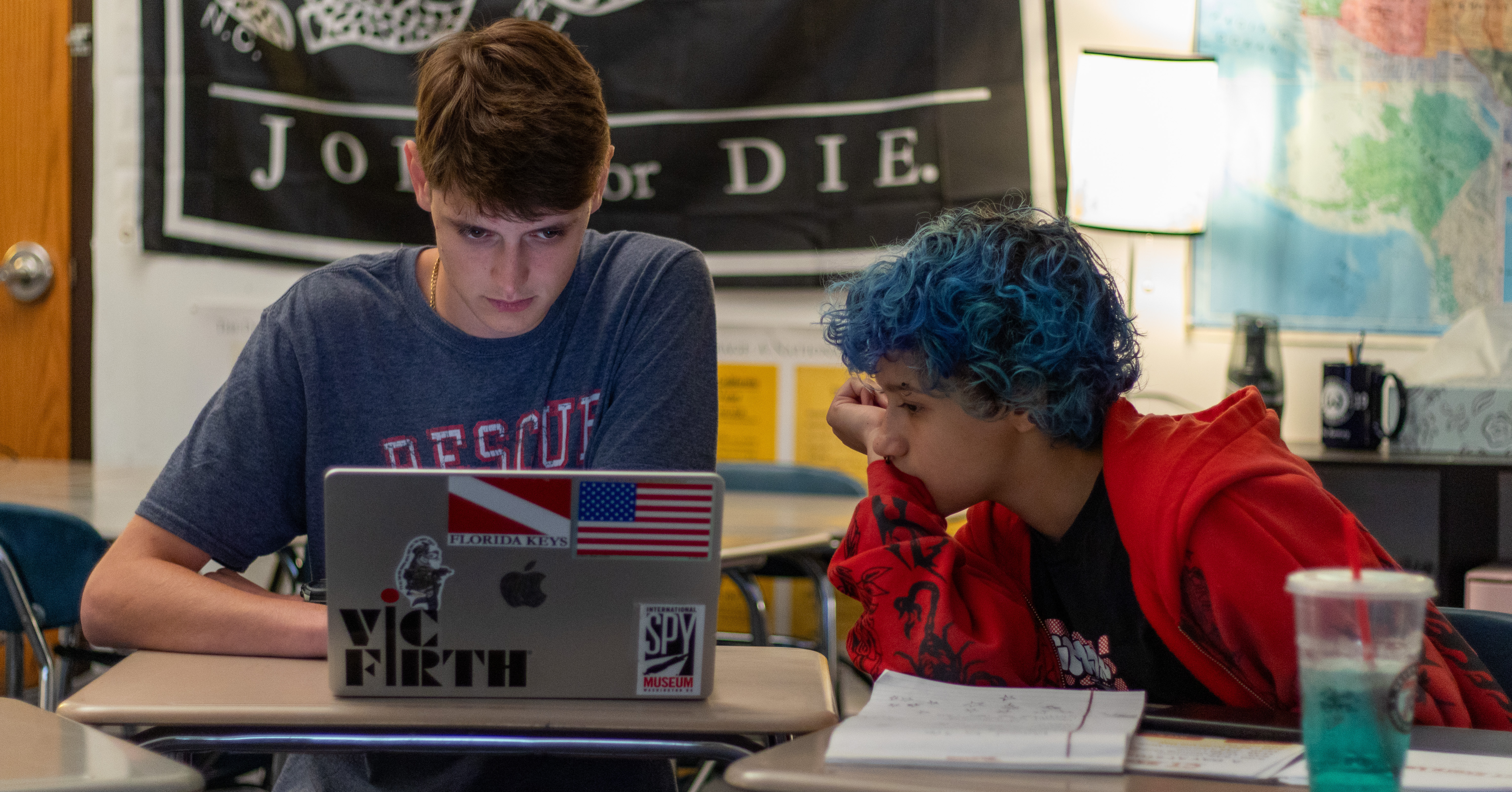
A great room isn’t quiet and polite. It’s loud, fast, funny, and a little chaotic — and that energy is where the best ideas come from.
Expect debates, dead ends, and sudden breakthroughs. Expect to disagree, laugh, and change your mind. That’s not the mess getting in the way of the work — that is the work.
What You’ll Actually Learn to Do
Underneath the pitches and the laughter, you’re learning how television actually gets built. By the end of six weeks, you’ll be able to…
Meet Your Room Leaders

Writer | Showrunner-in-Practice | Educator
Writer and director whose work spans scripted and commercial media, with script-consulting credits for writers at HBO, USA, TBS, and ABC. Brian leads story-breaking and pitching, helping students turn a rough idea into a show they can stand up and sell.

Writer | Editor | Educator
Award-winning director and editor and a guest lecturer at Sacred Heart University. Tyler knows how a story holds together on the page and on the screen, and helps the room shape beats, structure, and clean, watchable episode ideas.
Producer | Educator
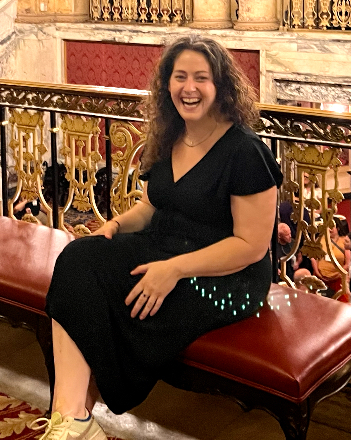
Producer and educator with five years teaching advanced storytelling at the college level. Allie keeps the room organized and generous — making sure every writer gets heard, every idea gets developed, and collaboration stays the whole point.
Together, they bring real writing and story-development experience into a structured, supportive room for young writers.
Why Only 20 Writers?
Twenty is the number on purpose. It’s enough writers to make a room crackle with energy and clashing ideas — but small enough that everyone gets to speak, pitch, contribute, and be known. In a room this size, nobody sits in the back. Every voice is part of the show.
What’s Included
Six live sessions in the room — plus a set of take-home tools you’ll keep using long after the lab wraps.
No experience required. No idea required. Just show up ready to pitch, build, and be part of the room.
Student Voices
“CT Story Labs gave me the opportunity to work with a team. If you want to get that experience, go for it and don’t be scared — because everyone is kind, and it’s going to be okay.”
Rithza SCT Story Labs student
“CT Story Labs really helped me work with a team. Definitely more confident. Definitely do it — it’s worth it. Just be confident enough to make friends when you get there, because it makes it so much better.”
Michaela CRising junior
“I realized you don’t need to be a genius to make something great. It’s a lot more collaborative than I thought — and that’s what made it fun.”
Carlos ARising junior
Tuition & Reserve Your Seat
Six-Week Craft Lab$497Six Tuesdays · Jan 5–Feb 9 · 2:45–4:30 PM · only 20 seats
Claim one of just 20 seats in the writers’ room. Fill out the quick registration below, then continue to secure checkout — with your details already filled in.
We’ll email you registration details for the Craft Lab. No spam — unsubscribe anytime.
Parent FAQ
It depends on enrollment. Some sessions may run as a single writers’ room, while others may split into smaller rooms so every writer gets plenty of time to pitch and contribute.
Either way, the core experience stays exactly the same: pitching, breaking story, giving and receiving notes, and developing ideas together. The format flexes; the collaborative writers’-room experience does not.
Absolutely. No screenwriting experience is required.
The room is built for mixed experience levels. Beginners learn how a writers’ room works by being in one, while more experienced writers get room to stretch. Students don’t need to arrive knowing how story-breaking works — that’s exactly what they’re coming to learn.
That’s completely fine. A writers’ room needs all kinds of voices.
Because the room works toward shared goals, every writer has a clear way to contribute from day one. Students don’t need to be the loudest person in the room to matter to it — and the room leaders make sure everyone gets heard.
Adult room leaders — working writers and educators — are present and leading throughout every session. They guide the discussion, keep the room focused and respectful, and make sure every writer is included and supported.
The lab is built as a six-week arc, so consistent attendance across the six Tuesdays gives your student the fullest experience — ideas started one week get developed the next.
If a session is missed, the room leaders help your student get back up to speed so they stay part of the creative flow.
Just something to write with and an open mind. A notebook or laptop is helpful, and any story ideas they’re excited about are welcome — but not required. Everything else happens in the room.
If your plans change, reach out and we’ll help. Because seats are strictly limited to 20 and released on a first-come basis, we ask that cancellations be made as early as possible so another writer can take the seat. Contact us with any questions before you register.
Any student who loves TV and story, likes bouncing ideas around with other people, or is curious about how shows actually get made. Some writers will arrive with pages of ideas; others with none at all.
Both belong in the room.
Your Seat in the Room Is Waiting
You walk in. Index cards everywhere, a half-filled whiteboard, a room of writers ready to build something. Someone pitches a wild “what if…” — and it’s your turn to make it bigger. That’s not a class. That’s a writers’ room. And there’s a seat in it with your name on it. Only 20 seats. When they’re gone, they’re gone.